
Get Gas Line Capping
Gas line capping services provided by local contractors secure or disconnect gas lines to prevent leaks during renovations, repairs, or property decommissioning projects.
Property owners in the area considering plumbing or renovation projects often encounter the need to properly manage unused or obsolete gas lines. Gas line capping services provide a practical solution for safely sealing off these lines, whether for safety reasons, property upgrades, or future planning. Exploring local contractors who specialize in gas line capping can help ensure the work is handled efficiently and in accordance with safety standards, giving peace of mind during your project.
Comparing options among local service providers can assist in finding experienced professionals equipped to handle gas line capping with precision. Property owners might pursue this work to prevent leaks, comply with regulations, or prepare for renovations that involve gas line modifications. Continuing to explore your local choices can help identify the right experts to meet your project’s specific needs, making it easier to move forward confidently.
- Gas Line Capping - Needed when a gas line is no longer in use or poses a safety concern.
- Emergency Gas Line Closure - Required during urgent situations to prevent gas leaks or hazards.
- Gas Line Repair - Necessary when existing gas lines are damaged or leaking and require sealing.
- Gas Line Removal - Appropriate when removing outdated or unused gas piping from a property.
- Line Abandonment Services - Used to safely deactivate and cap gas lines that are being permanently discontinued.
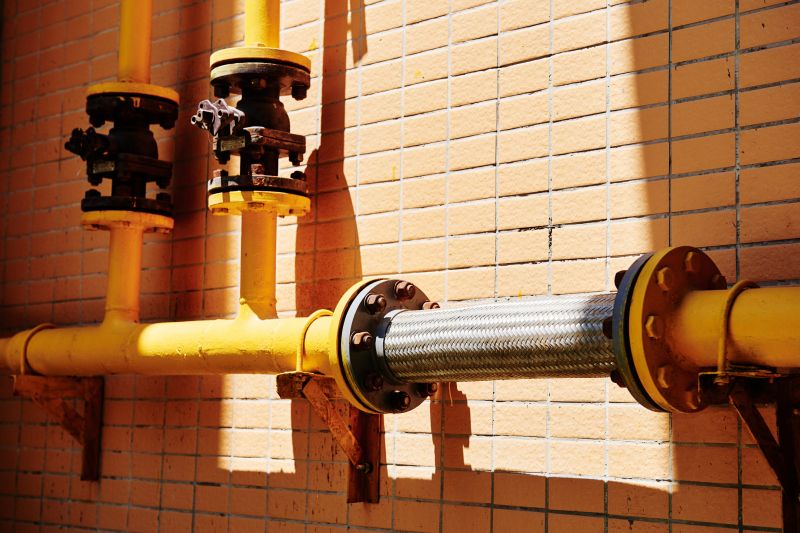
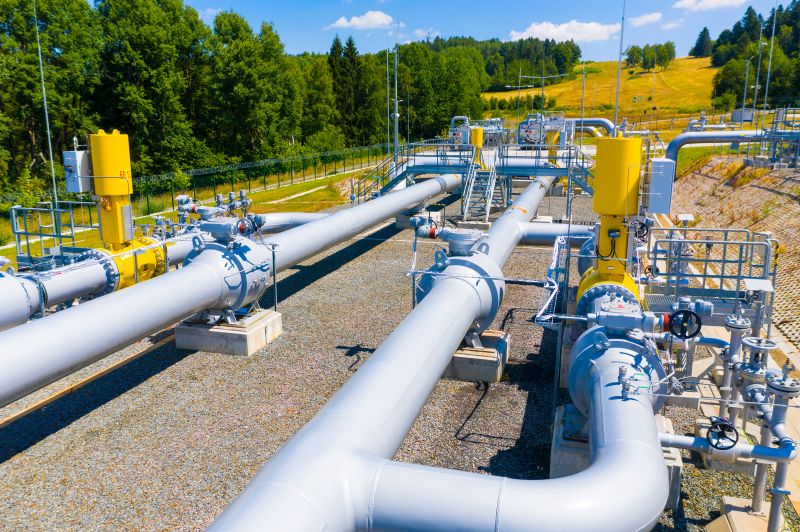
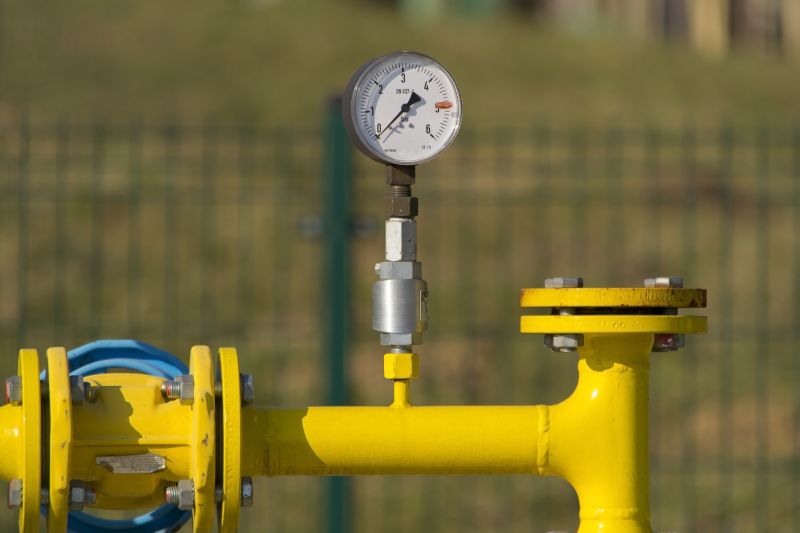
Gas line capping services involve securely sealing off an existing natural gas or propane line at the point where it connects to a property. This process typically includes disconnecting the gas supply, inspecting the line for safety and integrity, and installing a cap or plug to prevent any leaks or accidental gas flow. Professionals performing this work ensure that the line is properly sealed according to safety standards, reducing the risk of gas leaks that could lead to dangerous situations or property damage. Gas line capping is an essential step when a property no longer uses a gas connection or during renovations that require the removal of gas appliances.
This service helps address several common problems. It is often required when a home or commercial property is being renovated, remodeled, or prepared for sale, and the gas line is no longer needed. It also helps prevent potential hazards associated with abandoned or unused gas lines, such as leaks or accidental discharges. Additionally, gas line capping can be part of safety measures if a gas line has been damaged or compromised, providing a reliable way to eliminate the risk of gas escaping into the environment. Properly capped lines ensure that the property remains safe and compliant with local regulations.
Gas line capping services are used across a variety of property types, including residential homes, apartment complexes, commercial buildings, and industrial facilities. Homeowners who are removing or replacing gas appliances, such as furnaces, water heaters, or stoves, often need this service. Property owners planning renovations or property sales may also require gas line capping to ensure the line is safely sealed off. In some cases, property developers or contractors request gas line capping during new construction or redevelopment projects to prepare the site for future use or to meet safety codes.
When considering gas line capping, it is important to work with experienced local contractors who understand the specific requirements of the property and local codes. These professionals can evaluate the existing gas line, determine the appropriate method for sealing it, and ensure the work is performed safely and correctly. Whether for a small residential project or a larger commercial development, connecting with qualified service providers can help ensure the job is done properly. Contacting local pros who specialize in gas line services can provide peace of mind and a reliable solution for your property’s safety and compliance needs.
The overview below groups typical Gas Line Capping projects into broad ranges so you can see how smaller, mid-sized, and larger jobs often compare in your area.
In many markets, a large share of routine jobs stays in the lower and middle ranges, while only a smaller percentage of projects moves into the highest bands when the work is more complex or site conditions are harder than average.
Smaller Repairs - typical costs range from $250 to $600 for routine gas line capping jobs. Most projects in this category are straightforward and fall within this middle range. Fewer jobs may cost less or more depending on specific site conditions.
Moderate Projects - larger or more complex capping jobs often range from $600 to $1,200. These projects may involve additional labor or materials, which can influence the final price. Many local contractors handle jobs within this range regularly.
Full Line Capping - complete gas line capping for an entire property can cost between $1,200 and $3,000. Such projects typically require more extensive work and planning, leading to higher costs. These are less common but still within the scope of local service providers.
Larger, More Complex Projects - extensive or highly specialized gas line capping jobs can reach $5,000 or more. These projects are less frequent and usually involve unique site challenges or additional safety measures. Local contractors can provide detailed estimates based on specific needs.
Actual totals will depend on details like access to the work area, the scope of the project, and the materials selected, so use these as general starting points rather than exact figures.
Gas Line Installation - Professionals skilled in installing new gas lines often use similar planning and safety precautions as those needed for capping existing lines.
Gas Line Repair - Repairing damaged or leaking gas lines requires careful handling and knowledge of piping systems, akin to the skills used in capping services.
Underground Utility Capping - Capping other underground utilities such as water or sewer lines involves similar excavation and sealing techniques as gas line capping.
Pipe Replacement Projects - Replacing or upgrading piping systems involves planning and precision work comparable to gas line capping procedures.
Leak Detection Services - Identifying leaks in gas or other utility lines requires specialized tools and careful planning, similar to capping tasks.
Excavation and Trenching - Excavation work for utility access or repairs involves skills applicable to safely accessing and capping gas lines underground.
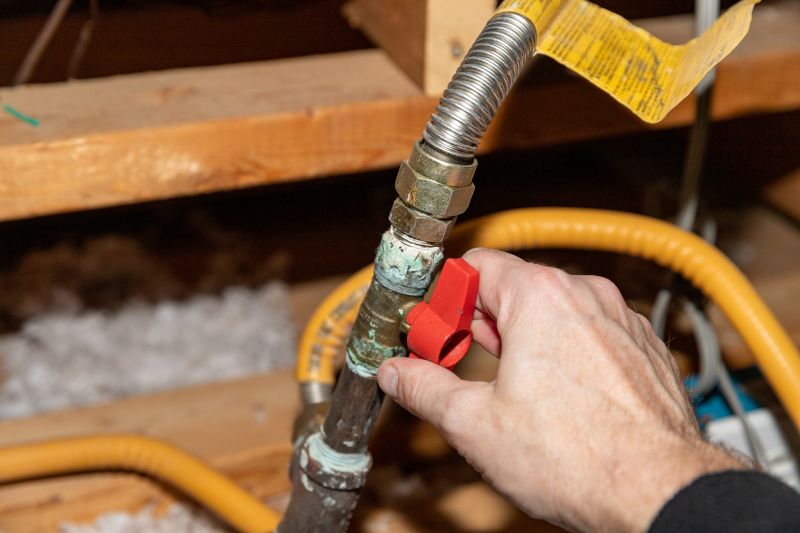
When comparing service providers for gas line capping, it’s important to consider their experience with similar projects. Homeowners should seek out local contractors who have a proven track record of handling gas line modifications or terminations comparable to the scope of their specific needs. Asking about past work can provide insight into their familiarity with the process and potential challenges, helping to ensure the chosen professional is well-equipped to perform the job safely and effectively.
Clear, written expectations are essential to avoid misunderstandings and ensure the project proceeds smoothly. Homeowners should request detailed descriptions of the services offered, including what the gas line capping entails and any necessary preparations or post-job steps. Having these expectations documented helps create a transparent agreement and provides a point of reference throughout the project, fostering a better working relationship between the homeowner and the service provider.
Reputable references and good communication are key factors when selecting local contractors. Homeowners are encouraged to ask for references from previous clients who can speak to the contractor’s reliability and quality of work. Additionally, effective communication-such as prompt responses to questions and clarity in explanations-can make the process more straightforward and less stressful. It’s worth noting that this site introduces homeowners to local options, helping them compare and connect with qualified service providers, but the actual work is performed by the selected contractor.
Property owners use Gas Line Capping services for practical projects around their homes and businesses. This guide focuses on everyday jobs and straightforward project options.
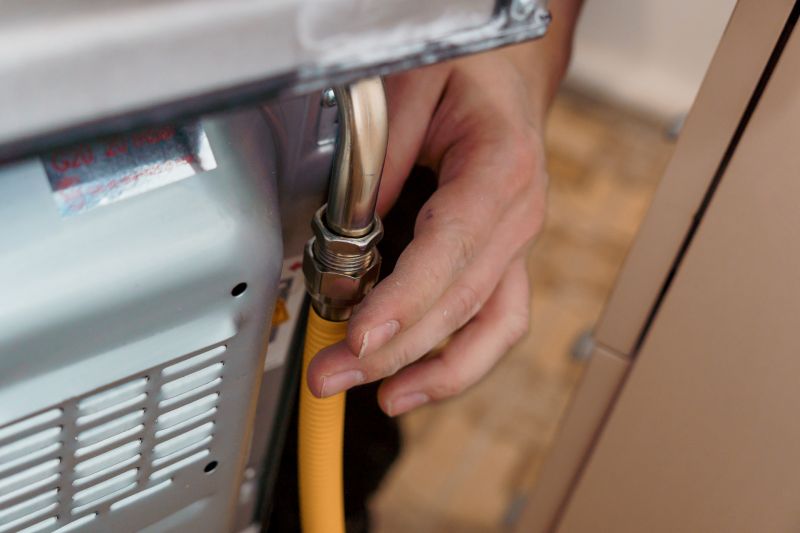
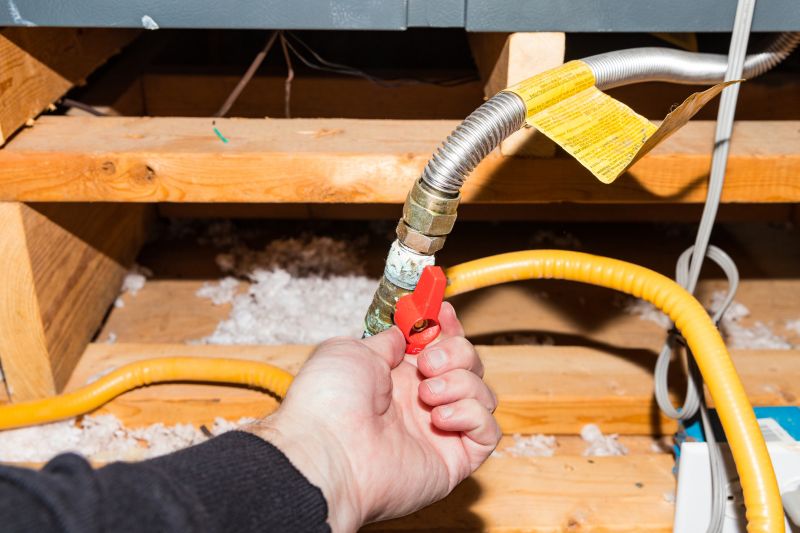
Gas line capping services are often needed when property owners are preparing a property for sale, remodeling, or renovation projects. Removing or disconnecting unused gas lines safely is essential to prevent leaks and ensure compliance with local regulations. Local contractors can handle these tasks efficiently, helping property owners avoid potential hazards and streamline their project timelines. Whether it's sealing off an old connection or securing a gas line during construction, these professionals provide the expertise needed to complete the work properly.
In other situations, homeowners or landlords may require gas line capping when addressing issues such as outdated infrastructure or planning new installations. Properly capped gas lines can prevent accidental leaks and improve overall property safety. Local service providers are equipped to assess the situation, perform the necessary capping work, and ensure everything is up to code. Connecting with experienced contractors can give property owners peace of mind that the job is done correctly and safely.
What is gas line capping? Gas line capping involves sealing off an unused or unsafe gas line to prevent leaks and ensure safety.
Why might I need gas line capping services? Gas line capping is necessary when removing or disconnecting a gas appliance, or if a line is damaged and needs to be safely sealed.
How do local contractors perform gas line capping? Licensed service providers typically shut off the gas supply, remove any existing fittings, and securely seal the line to prevent leaks.
Are gas line capping services safe? When handled by experienced professionals, gas line capping is a safe process that ensures the gas line is properly sealed and secure.
How can I find local pros for gas line capping? Interested individuals can contact local service providers who specialize in gas line work to get the job done properly and safely.
Property Renovations - When updating a home or preparing for new appliances, property owners can have gas lines safely capped to ensure proper installation and compliance.
Emergency Gas Line Issues - In cases of suspected leaks or damage, property owners can seek local contractors to quickly cap gas lines for safety.
Abandoning Old Gas Lines - For properties no longer using gas appliances, capping unused lines helps prevent leaks and maintains safety during future renovations.
Preparing for New Installations - When adding outdoor kitchens or fireplaces, property owners can have existing gas lines capped temporarily or permanently by local service providers.
If you are thinking about Gas Line Capping for a property, this guide is meant to help you understand the work, the typical project types, and how different options might fit your plans.
When you are ready, you can use the quote form on this page to share a few details about your project. From there, local pros can review the basics and respond with options that match what you have in mind.