
Get Gas Line Relocation
Gas line relocation services help property owners safely move underground or overhead gas lines for renovations, new constructions, or safety upgrades, handled by experienced local contractors.
Property owners considering gas line relocation often face the challenge of planning a project that ensures safety, compliance, and minimal disruption. Whether upgrading existing infrastructure, rerouting for new construction, or improving property layout, understanding available options and finding experienced local contractors can simplify the process. Exploring different service providers in the area allows for comparison of expertise and approaches, helping property owners make informed decisions about their gas line projects.
If you are weighing your options for gas line relocation, this is the right place to start. Connecting with local contractors who specialize in this work can provide valuable insights into the practical aspects of planning and executing such projects. Keep reading to learn more about how to identify qualified service providers and what to consider when moving or adjusting gas lines on your property.
- Gas Line Relocation - Needed when existing gas lines interfere with renovations or new construction projects.
- Property Expansion - Required to reroute gas lines during additions or significant property modifications.
- Safety Upgrades - Necessary when upgrading or replacing outdated gas infrastructure to meet current safety standards.
- Emergency Repairs - Needed if a gas line has been damaged or leaks are detected during property work.
- Landscaping or Excavation - Required when digging or landscaping near existing gas lines to prevent damage and ensure safety.
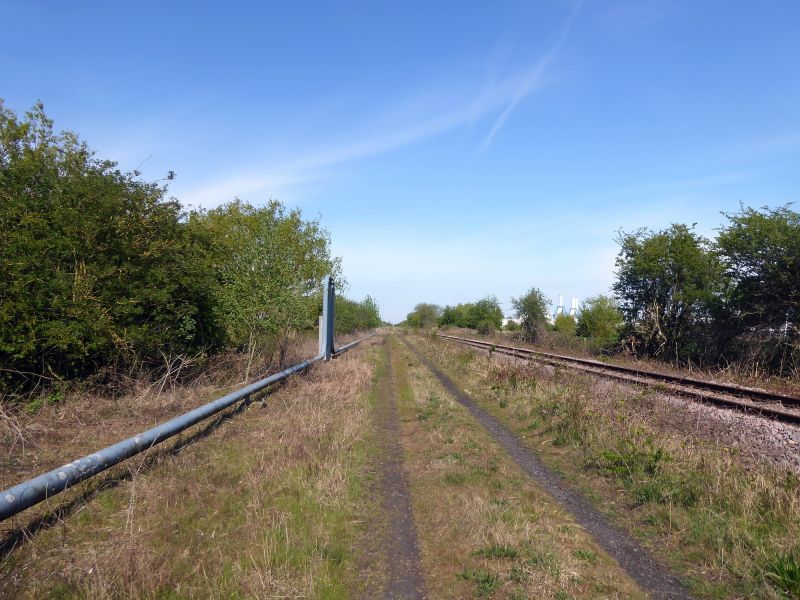
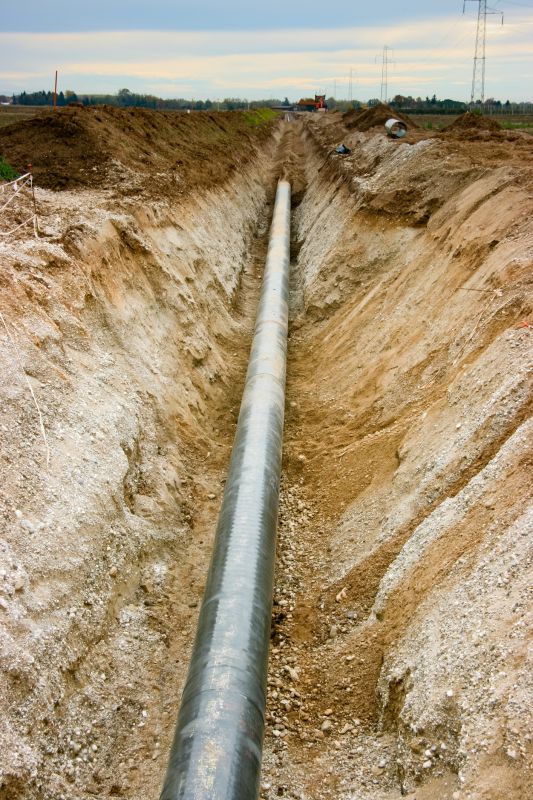
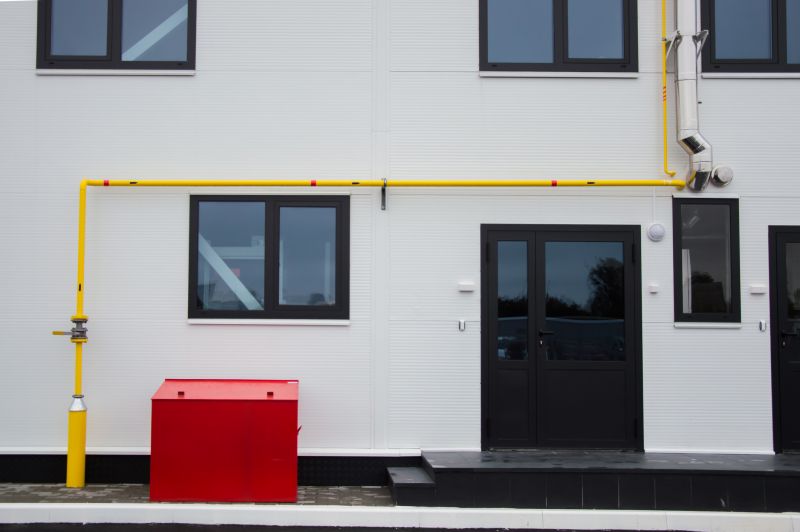
Gas line relocation services involve the careful process of moving existing natural gas pipelines to new locations on a property. This work typically includes assessing the current gas line setup, planning the new route, and safely installing the lines in accordance with local codes and safety standards. Skilled contractors use specialized tools and techniques to ensure the gas lines are properly connected, secure, and compliant with all safety requirements. This service is essential when property renovations, expansions, or land modifications require changes to the placement of gas lines, helping to facilitate a safe and functional gas supply system.
Relocating a gas line can help resolve a variety of property issues. For example, when constructing new structures, expanding driveways, or landscaping, existing gas lines may obstruct the planned development. Moving these lines prevents future conflicts and ensures the property remains safe and accessible. Additionally, if a gas line is damaged or outdated, a relocation can improve safety and reliability. Properly rerouted gas lines can also prevent potential leaks or hazards, reducing the risk of costly repairs or dangerous situations down the line.
This service is commonly used on residential properties, especially during major renovations, additions, or property upgrades. Homeowners planning to build new garages, decks, or outdoor kitchens often require gas line relocation to accommodate their new features. Larger properties, such as farms or rural homes, may also need gas line adjustments as part of land improvements or infrastructure updates. Commercial properties, including restaurants or industrial facilities, may rely on gas line relocation when expanding operations or modifying existing layouts. In all cases, experienced local contractors can evaluate the property’s needs and execute the work safely and effectively.
Homeowners and property owners should consider gas line relocation services whenever changes to their property’s layout could interfere with existing gas infrastructure. Whether installing new outdoor features, renovating interiors, or addressing safety concerns, professional contractors can provide the expertise needed to move gas lines properly. This service helps ensure that gas systems remain safe, functional, and compliant with local regulations, making it a practical solution for a variety of property development or improvement projects. Contacting local service providers can help determine the best approach for specific property needs.
The overview below groups typical Gas Line Relocation projects into broad ranges so you can see how smaller, mid-sized, and larger jobs often compare in your area.
In many markets, a large share of routine jobs stays in the lower and middle ranges, while only a smaller percentage of projects moves into the highest bands when the work is more complex or site conditions are harder than average.
Smaller Repairs - Typical costs for minor gas line relocations or adjustments generally range from $250 to $600. Many routine jobs fall within this middle range, depending on the complexity of the work and access to the existing line.
Moderate Projects - For more involved relocations that require additional permits or minor trenching, costs can range from $600 to $2,000. These projects are common and may include rerouting lines around obstacles or through walls.
Large-Scale Relocations - Larger, more complex gas line moves, such as rerouting for new construction or extensive remodeling, can cost between $2,000 and $5,000. Fewer projects reach this tier, often due to the scope of work involved.
Full Replacement - Complete replacement of existing gas lines, especially in older properties or heavily modified systems, can exceed $5,000. Local contractors can provide estimates based on the specific requirements of each project.
Actual totals will depend on details like access to the work area, the scope of the project, and the materials selected, so use these as general starting points rather than exact figures.
Underground Utility Installation - this project involves laying or relocating underground utility lines, requiring similar planning and excavation skills as gas line relocation services.
Drainage System Installation - installing or rerouting drainage pipes demands precise trenching and knowledge of underground infrastructure, akin to gas line adjustments.
Water Line Replacement - replacing or rerouting water lines involves excavation, careful planning, and working with underground utilities, paralleling gas line relocation processes.
Electrical Conduit Installation - installing or relocating electrical conduits underground shares skills in trenching, safety protocols, and underground utility coordination.
Foundation Piering and Soil Stabilization - these projects require excavation and underground work skills similar to those used in gas line rerouting.
Sewer Line Repair and Replacement - rerouting or repairing sewer lines involves excavation and underground utility management, closely related to gas line services.
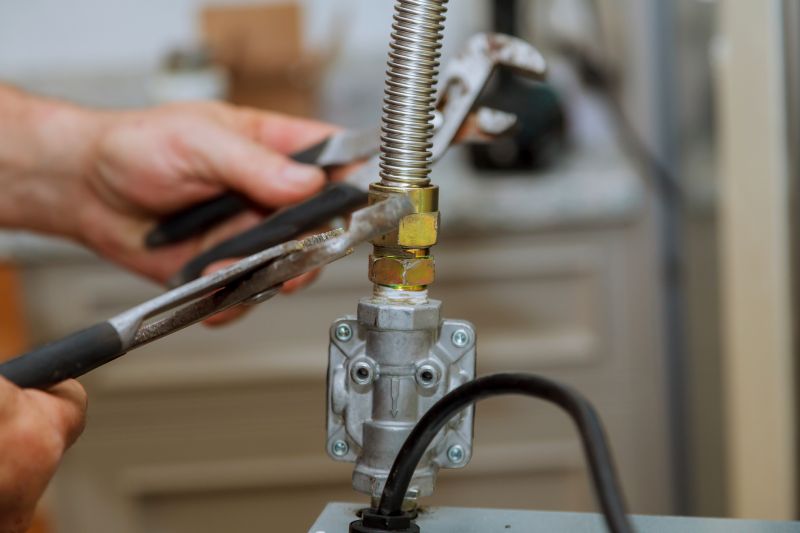
When evaluating service providers for gas line relocation, it’s important to consider their experience with similar projects. Homeowners should seek out local contractors who have a proven track record of handling gas line work comparable to the scope of their project. Asking about past projects or requesting examples of completed jobs can provide insight into their familiarity with the specific challenges and requirements involved. A contractor with relevant experience is more likely to understand the nuances of the work and deliver results that meet safety and quality standards.
Clear written expectations are essential to ensure that both the homeowner and the contractor are aligned on the scope, process, and responsibilities. Before hiring a service provider, it’s advisable to review detailed estimates, scope of work, and any contractual documents that outline what is included and what is not. This transparency helps prevent misunderstandings and provides a reference point throughout the project. Reputable local contractors typically communicate their plans and procedures clearly, making it easier for homeowners to make informed decisions.
Good communication and reputable references are key indicators of a reliable service provider. Homeowners should seek out local pros who are responsive and willing to answer questions thoroughly. Checking references or reviews from previous clients can shed light on the contractor’s professionalism, reliability, and quality of work. While this site introduces homeowners to local options, it is important to remember that it does not perform the work itself. Instead, it helps connect individuals with qualified local contractors capable of managing gas line relocation projects efficiently and safely.
Property owners use Gas Line Relocation services for practical projects around their homes and businesses. This guide focuses on everyday jobs and straightforward project options.
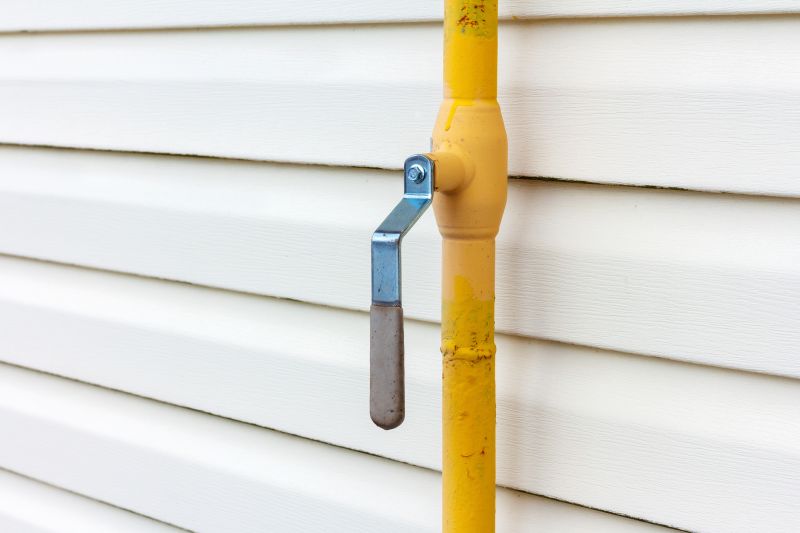
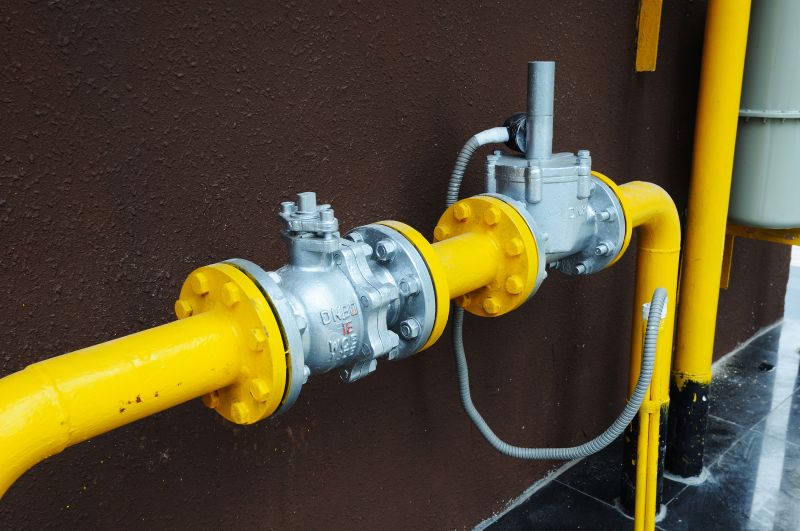
Gas line relocation services are often needed when property owners are planning home renovations, additions, or landscaping projects that interfere with existing gas lines. For example, if a homeowner is expanding their kitchen or building an outdoor patio, they might require the gas lines to be moved to ensure safety and proper functioning. Additionally, property owners may seek gas line relocation when installing new appliances, such as a pool heater or outdoor grill, that require a different gas connection point. Local contractors who specialize in gas line work can handle these adjustments efficiently, helping to keep projects on track and compliant with safety standards.
In other cases, property owners might need gas line relocation due to aging or damaged pipes that pose safety concerns or cause leaks. Moving gas lines away from areas prone to damage, such as driveways or tree roots, can prevent future issues. Sometimes, changes in property layout or utility upgrades also warrant rerouting gas lines to better serve the property’s needs. Local service providers are equipped to assess the situation and perform the necessary relocations, ensuring the gas system is properly adjusted to support ongoing or future property improvements.
Why might I need to relocate a gas line? Gas line relocation may be necessary for home renovations, new construction, or to improve safety and accessibility around existing gas lines.
What types of services do local contractors offer for gas line relocation? They typically handle assessing the current setup, planning the new route, and safely installing or rerouting gas lines according to local codes.
Is gas line relocation a safe process? When performed by experienced service providers, gas line relocation is conducted following safety protocols to ensure proper installation and minimize risks.
What should I consider before hiring a contractor for gas line relocation? It's important to verify that the contractor has experience with gas line work, understands local regulations, and can provide references or reviews.
How can I find qualified local contractors for gas line relocation? This can be done by using a lead generation service to compare and connect with reputable service providers in the area.
Relocating Gas Lines for Renovations - Property owners planning kitchen or bathroom remodels can work with local contractors to safely move gas lines to accommodate new layouts.
Preparing for New Outdoor Installations - Homeowners installing outdoor kitchens, fire pits, or grills may need gas line relocation services to ensure proper placement and safety.
Addressing Safety Concerns - If existing gas lines are outdated or damaged, property owners can connect with local pros to have them repositioned for improved safety and compliance.
Expanding Property Features - Adding new structures like garages or additions might require relocating gas lines to support new appliances or equipment.
If you are thinking about Gas Line Relocation for a property, this guide is meant to help you understand the work, the typical project types, and how different options might fit your plans.
When you are ready, you can use the quote form on this page to share a few details about your project. From there, local pros can review the basics and respond with options that match what you have in mind.